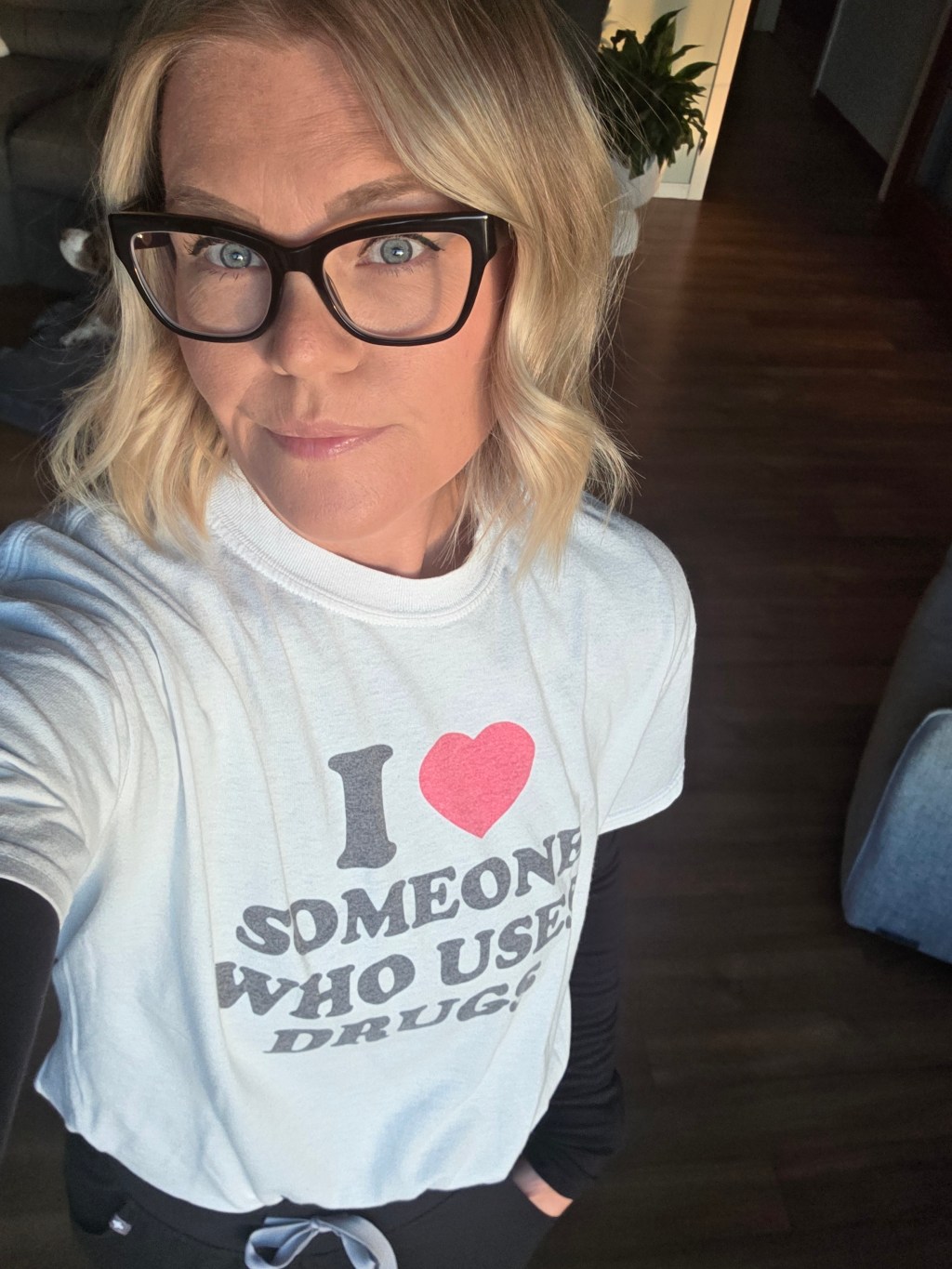
Today is International Overdose Awareness Day.
Every year on this day, we remember the thousands of people who have lost their lives as a result of the toxic and unregulated drug supply. We talk about the numbers, the statistics and the crisis, but sometimes I think we become so accustomed to hearing those numbers that we forget what they actually represent. Each number is a person. Someone who had a family, friends, a history, a personality, hopes, struggles, good days and bad days. Someone who was loved and someone who mattered.
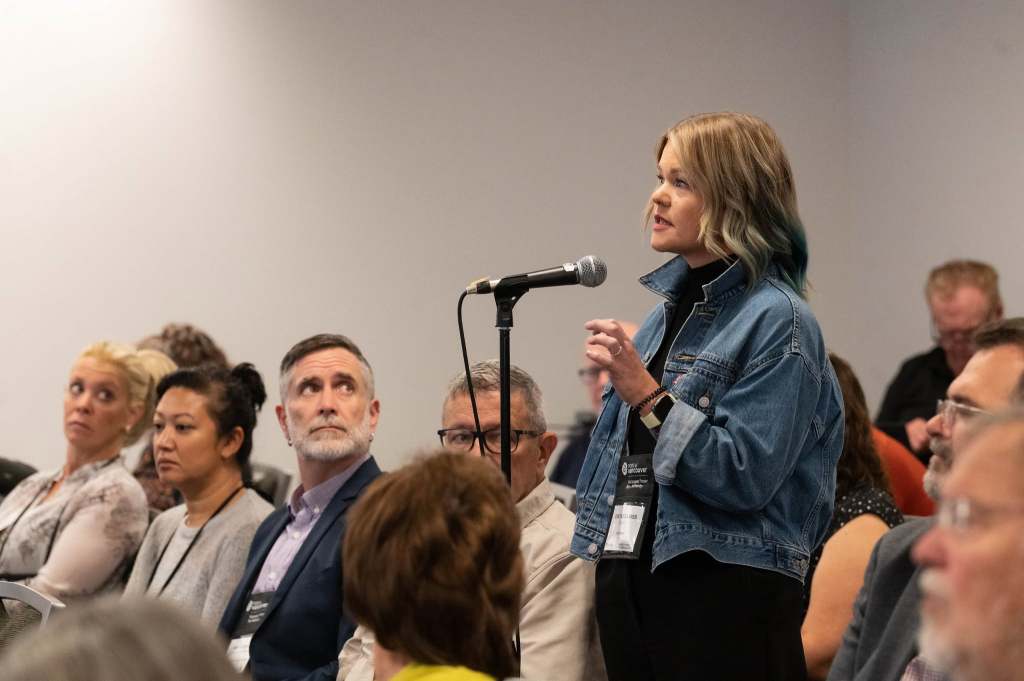
I know this because I have spent years working with the people behind those numbers. As a frontline nurse, I have personally mourned more than 100 clients. I have responded to overdoses, provided wound care, supported people through treatment, sat with people when they were scared or sick, and tried to be a safe person for those who have often had very few safe people in their lives. Over the years, I have also advocated for better services, spoken about harm reduction, worked alongside people who are trying to save lives and brought what I see on the front lines to the council table. None of this makes me an expert on another person’s life. It simply means I have had the privilege, and sometimes the heartbreak, of seeing this crisis up close.
I have also lost friends and family members, and I lost my brother, Christopher. That loss changed the way I carry this work. There is something different about hearing the words “another overdose death” when you have stood on the other side of that sentence. When you know what it feels like to have someone you love become a person you can only speak about in the past tense. Christopher wasn’t a statistic, and neither were my clients. They were people. They were someone’s son or daughter, brother or sister, mother or father, partner or friend. They had personalities and stories and people who cared about them. Some struggled with addiction for years. Some experienced trauma, poverty, homelessness or mental illness. Some had families who loved them deeply and others had very little support at all. Some started using substances to cope with things they didn’t know how else to cope with, and some became dependent without ever imagining where it would eventually lead them. There is no single story and there is no single reason why someone ends up using drugs.
One of the things that has stayed with me most from working in this field is how quickly we can make assumptions about people we don’t know. I have met people who, from the outside, may be very easy to judge. But once you sit with someone, listen to their story and get to know them, you often realize there is so much more there than what you first saw. I have watched people who were dismissed by others become funny, kind, thoughtful, generous and incredibly resilient. I have watched people who had been written off begin to trust again. I have watched people survive things that I don’t know how I would survive myself. And I have also watched people die.
From the council table, I see the policy side of this issue. I see the need for housing, treatment options, mental health and social supports, harm reduction and a safer and more predictable drug supply. From the nursing side, I see what those policies actually look like when they reach a person sitting in front of me. I see what happens when someone has nowhere safe to sleep, when they can’t access the care they need, when they have been turned away so many times that they no longer trust the system. I also see what happens when someone is finally met with compassion, dignity and someone who doesn’t give up on them. These two perspectives have only reinforced for me that we need to stop looking for one simple answer to a problem that is anything but simple.
I don’t believe everyone needs to agree on how we should address this crisis. I don’t have all the answers either. But I do believe we need to be willing to look beyond our own experiences and assumptions. Uninformed judgments can be harmful, particularly when they are made about people whose lives we know very little about. We can have conversations about treatment, recovery, harm reduction, safer supply, personal responsibility and public safety while still remembering that we are talking about human beings. We don’t have to dehumanize people in order to have difficult conversations about what needs to change.
I have seen people survive. I have seen people find recovery. I have seen people reconnect with their families and begin to believe in themselves again. I have seen people who had nowhere to go find a place where they felt they belonged. I have also seen the other side of this, and far too often I have watched families try to make sense of a loss that never should have happened. We have been asking for urgency and action for years. We have seen what governments are capable of doing when a crisis is treated with the urgency it deserves, and I continue to believe that we can do more. We can invest in prevention, housing, treatment, mental health, harm reduction and the supports people need to have a real chance at a different life. We just need the willingness to keep trying.
Today, I am thinking about the clients whose names I still carry with me. I am thinking about the families who have had to learn how to live with an empty chair, an unanswered phone call or a birthday that now hurts. I am thinking about my friends and family members who are no longer here. And I am thinking about my brother.
Christopher, I’m sorry I couldn’t save you. I miss you.
I will continue to do what I can, both as a nurse and as a city councillor, to advocate for people who are struggling and for the changes that I believe are needed. Not because I have all the answers, but because I have seen too much to be silent. I have seen too many people die. I have seen too many families grieve. And I have seen enough to know that doing nothing isn’t an option.
Remembering the people we have lost matters. But I don’t want today to only be about remembering. I want it to be about looking at what we can do differently for the people who are still here.
Because every one of them was a whole person.
Every one of them mattered.
And every person still here matters too.



Leave a Reply