
There are parts of this work that, as I’m sure you can imagine, are heartbreaking.
Some are the moments most people would expect. Watching not just one but many people you’ve come to know deteriorate before your eyes. Seeing young people with so much life still ahead of them die far too soon. Witnessing people at their lowest, stripped of the masks they wear to survive, allowing you to see the hurt, fear, and humanity beneath.
But for me, there is something especially difficult about knowing a client is dying alone in a hospital room, with few or no loved ones beside them. I don’t know what thoughts are going through their mind in those final days. Maybe there is peace. Maybe there is regret. Maybe there is simply exhaustion. Whatever they are carrying, the thought of someone facing the end of their life without another person present feels profoundly lonely.
I’ve often wondered why that affects me so deeply. Perhaps, somewhere beneath it all, it touches one of my own greatest fears. Not death itself, but the idea of facing it alone. Maybe that’s why, whenever I can, I choose to sit beside someone who otherwise might not have anyone there.
Over the years, I have visited many clients in hospital during their final days. Whether I do so depends in part on the role I’m working in at the time and what is professionally appropriate. There have been occasions when I have sat with someone for hours over the course of a week, holding their hand as they took their final breath. If I could, I would do that for many more.
As I mentioned in my earlier post, Living as a Grief Walker, I have experienced a great deal of death throughout my career. I have also had the privilege of supporting many others through their grief. For reasons I have never fully understood, death itself has never made me uncomfortable.
Perhaps that began long before nursing. I attended my first funeral when I was eight years old after my Grandpa Johnson passed away. As I grew older, I watched, and eventually helped my mom, my grandmothers, and the women of the United Church in Lake Cowichan prepare lunches for funerals. Looking back, I think those experiences taught me that funerals are not only about mourning a life that has ended, but about making sure no one grieves alone. Since then, I have attended funerals representing many different faiths and traditions, spoken at several, and had the privilege of officiating a community memorial.
I’ve often wondered why I feel so strongly about sitting with people in their final days. Maybe it’s because, at the end of our lives, so many of the things we spend years worrying about no longer matter. Titles, accomplishments, possessions, they all fade into the background. What remains is something much simpler. The need to know that our life mattered to someone.
I can’t change the path that brought someone to that hospital room, and I can’t undo the losses they have experienced. But I can make sure that, for a little while, they aren’t alone. Sometimes that feels like the most important care I have to offer.
There are countless moments from this work that I will carry with me for the rest of my life. Watching people navigate systems that often seem impossible to navigate. Witnessing moments of resilience that rarely make the headlines. Being invited into the most vulnerable chapters of someone’s life because they trusted they would be met without judgment.
That trust is something I have never taken for granted.
When people ask me what this work has taught me, they often expect the answer to be about addiction, mental illness, or homelessness. Instead, it has taught me something much simpler.
There is so much pain and heartache in the world that it can be easy to become consumed by it. When you spend your days surrounded by suffering, it is tempting to see only what is broken. Broken systems. Broken relationships. Broken lives.
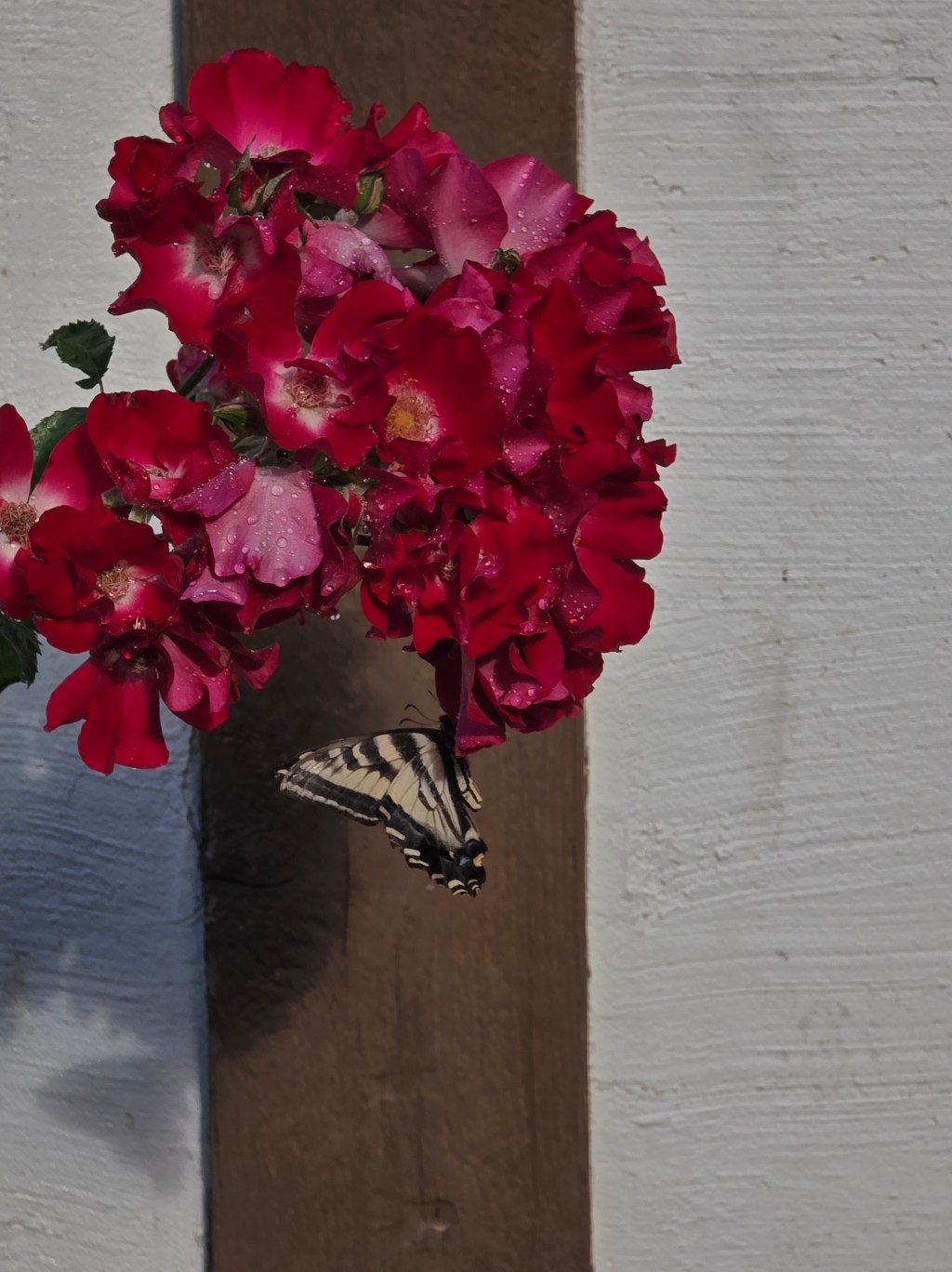
I learned early in my career that if I didn’t intentionally stop to notice the beauty that exists alongside the suffering, burnout wasn’t just possible, it was inevitable. Sometimes that beauty is found in the smallest moments. A genuine laugh. A client deciding to try again after countless setbacks. Someone beginning to believe they are worthy of care. Or simply the quiet privilege of sitting beside another human being when they need someone most.
The systems we work within will never be perfect, and there will always be reasons to feel frustrated. But if frustration becomes the only lens through which we view this work, we begin to miss the very things that give it meaning. Choosing to notice those moments isn’t about ignoring hardship. It’s about recognizing that suffering and beauty often exist side by side.
Every person deserves dignity.
No one should have to face life’s hardest moments believing they have been forgotten.
And sometimes the most meaningful thing we can offer another human being is simply our presence.





Leave a Reply